Plain-English guides for Turo and car-sharing hosts: Turo policy changes, pricing and profitability, insurance and claims, GPS and security, and running direct bookings.
Turo announced customizable delivery zones as one of its highly anticipated 2026 features, rolling out this fall. Here is what it's meant to do, and how to think about it before it actually reaches your account.
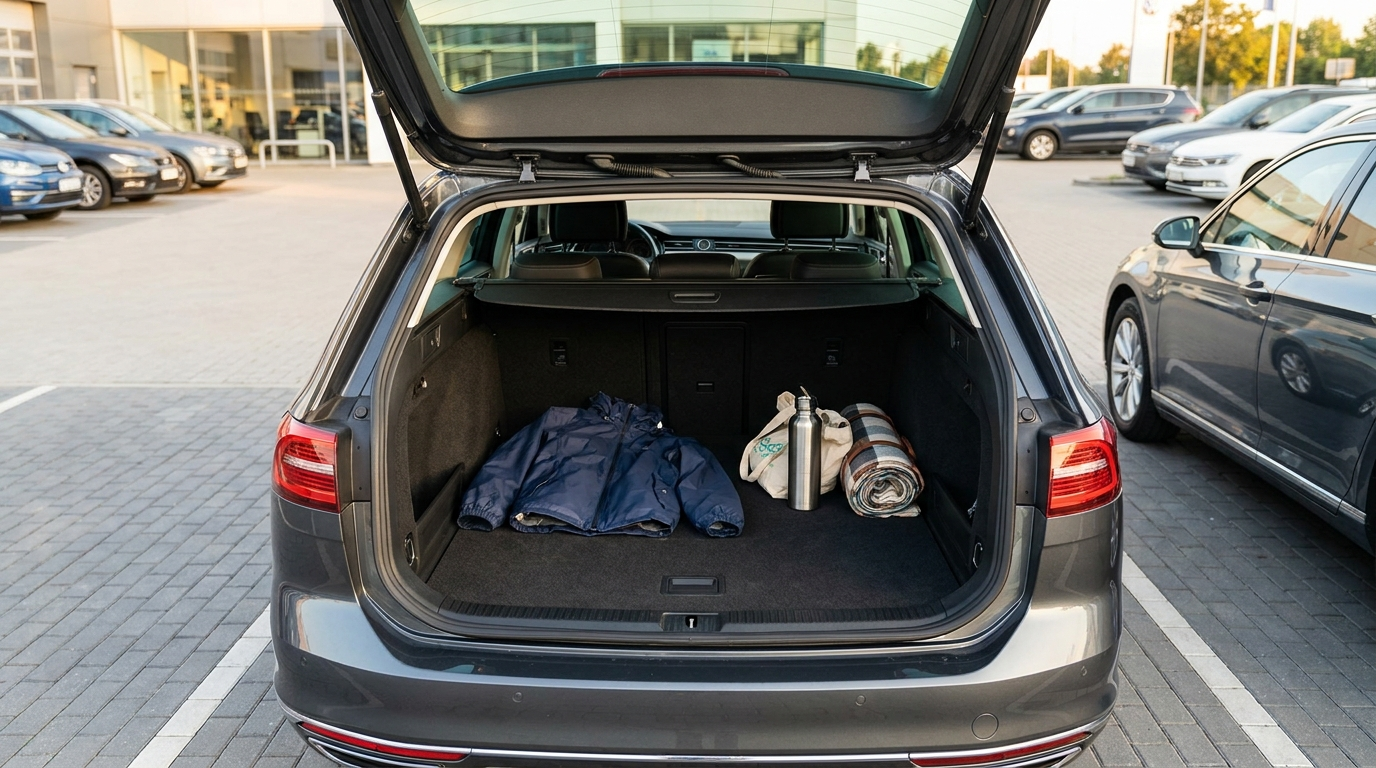
Sunglasses and phone chargers are the boring, expected answer here. Hosting communities actually have a much stranger lost and found list, along with some surprisingly practical policies for handling it.
It's become something of a running question in hosting communities: what's the very first thing that actually breaks once a fleet crosses into double digits? The answers turn out to be surprisingly consistent.
Turo launched in-app direct co-host payment splitting in the summer of 2026, replacing manual spreadsheets for hosts who share earnings with business partners. Here is what it actually does, and what it doesn't replace.
A small fleet owner ranked all seven of their cars by actual real earnings, and the top performer wasn't remotely the vehicle anyone in their position would have guessed going in.
Turo expanded vehicle eligibility in 2026 to include large multi-passenger vans seating up to 15 people, with one notable exception in California. Here is what actually changed and who it's worth considering for.
A host hit 1,000 trips and three full years in the business. The milestone post itself got a wave of congratulations, but the real value was actually in what came right after that.
If you take odometer photos at check-in and check-out, Turo now pulls that data automatically into your additional distance charge. Here is exactly how the new automated mileage incidental works.
One host went back through months of transaction history purely out of curiosity and found thousands of dollars in refunds and adjustments they had never once noticed happening in real time.
Turo's new flight tracking feature automatically captures a guest's flight details once they add them to a trip, and lets you track the flight up to 24 hours out. Here is what it actually changes for airport delivery.
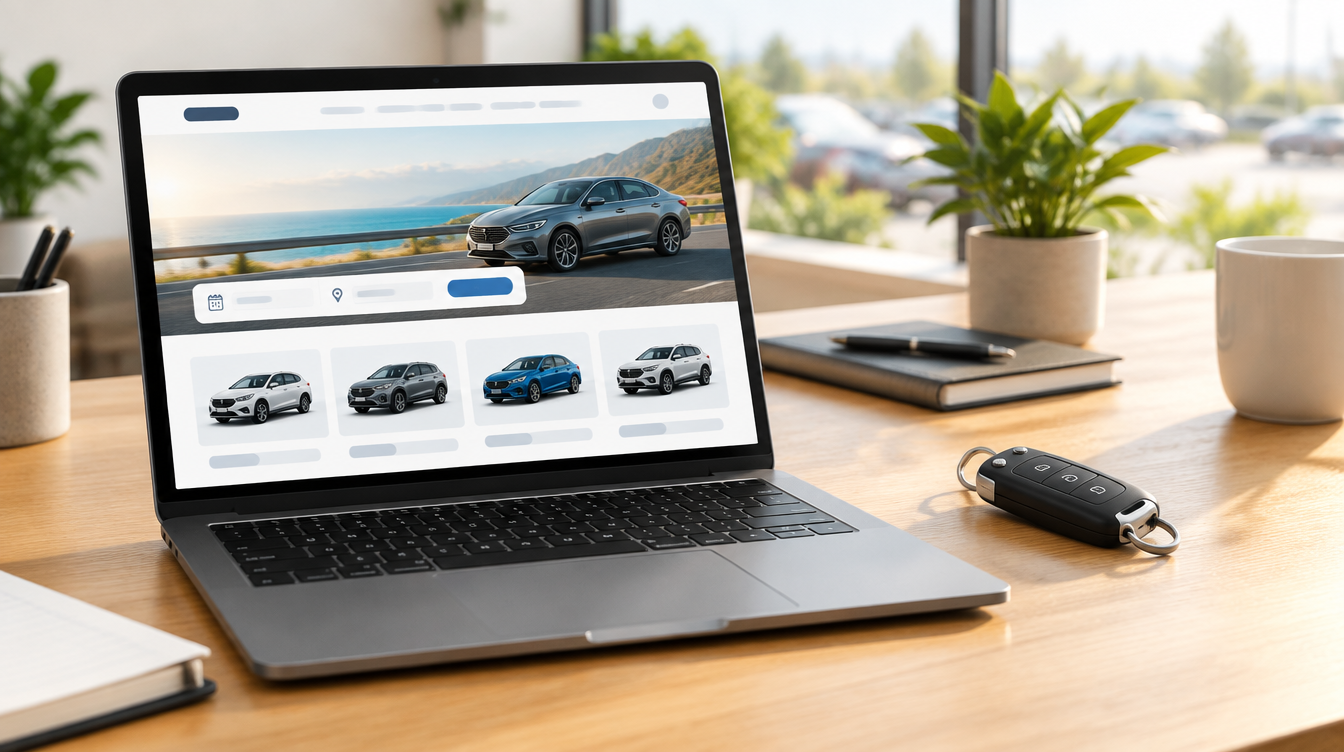
Running direct bookings means taking on absolutely everything a marketplace used to quietly handle for you. Here's an honest, unfiltered look at what that transition actually involves in practice.
If your Turo account is ever closed, whether by your own choice or Turo's, the mechanics matter: what happens to upcoming trips, when you get paid, and how long you have to file for reimbursements. Here is the actual timeline.
The moment you run two separate booking channels for the exact same car, double-booking becomes a genuinely real risk, not a hypothetical one. Here's how to keep both calendars honest at all times.
Host removal has always been one of the most anxiety-inducing topics in Turo communities. In 2026, Turo actually clarified the process. Here is the three-strike system, and what still results in an immediate ban.
A marketplace does an enormous amount of renter screening quietly behind the scenes. Running direct means you're the one deciding who's trustworthy enough to actually drive off with your car.
Guests in the US and Australia can now extend a Turo trip past 365 days. Here is what removing the one-year cap actually means for hosts running long-term rentals, and what to think through before saying yes to one.
Moving from a marketplace to private rentals means insurance suddenly becomes entirely your own problem to solve. Here are the questions experienced operators genuinely wish they'd asked sooner.
Turo added new minimum-duration discount options in 2026, on top of an already-standardized set of minimum baseline discounts for longer trips. Here is what actually changed and why it matters for your calendar.
A rental agreement isn't just boilerplate you copy off the internet and swap the logo on. Here's what it actually needs to address in detail before you ever hand someone your keys.
Hosts had been complaining for years that stacked discounts were too aggressive. In 2026, Turo actually fixed the math. Here is the new formula, and why it protects your margin more than the old one did.
Direct bookings aren't a replacement for a marketplace presence. They're an addition, and timing genuinely matters here. Here's how to honestly know when you're actually ready to take that step.
As of June 17, 2026, a new New York State law changed how liability coverage works for Turo hosts in that state. If you host in New York, this is one of the more consequential changes of the year.
The strongest hosts don't actually abandon marketplaces entirely. They build a business that simply doesn't collapse if one marketplace ever changes its mind about them specifically.
A guest books a non-refundable trip, then something comes up on their end and the platform leans on the host to cancel anyway. It's a real friction point, and here's how to actually navigate it.
A policy email lands, the community erupts almost instantly, and half the hot takes online turn out to be wrong within a day. Here's a genuinely calmer way to actually process a platform update.
Building an entire business on one single marketplace is efficient, right up until something changes on that marketplace's own end. Here's how to think about that risk honestly, without overreacting to it.
Power Host status gets talked about constantly in hosting circles, but the actual requirements are considerably less mysterious than the forum chatter tends to suggest. Here's the honest breakdown.
Platform updates roll out fast, and the official announcements aren't always written in plain English. Here's a straightforward recap of what genuinely mattered for hosts this year, without the jargon.
As a fleet grows, keeping track of physical keys gets surprisingly hard, faster than most hosts expect. Here's a simple system that scales cleanly without turning into a spreadsheet nightmare.
One host's car was stolen right out of a staging area, and another host in the same local group had the exact same thing happen to them. Here's what that repeated pattern actually teaches us.
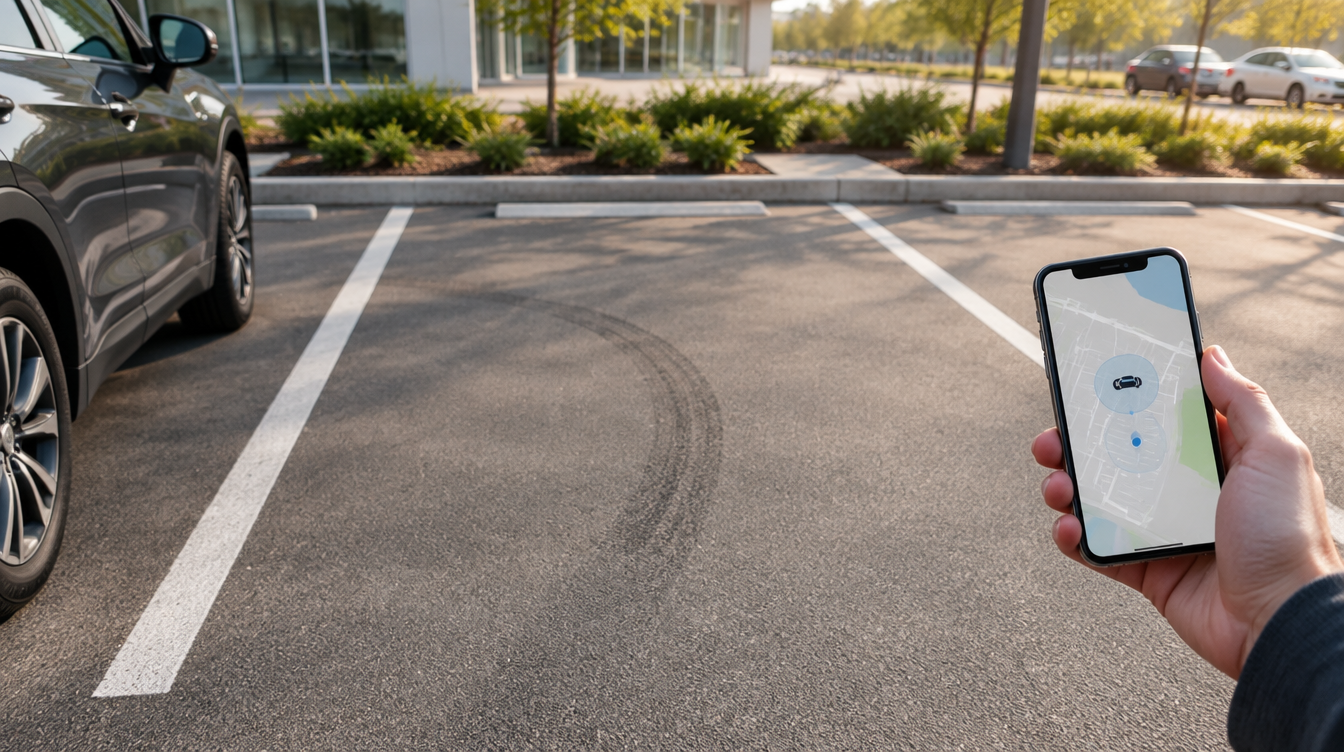
A geofence is only genuinely useful if someone actually owns the alert it sends out. Here's a simple way to think through what to fence, and who should actually be the one acting on it.
It happens more often than you'd think, and it's rarely malicious when it does. Here's why guests disconnect trackers, and the design and policy choices that actually prevent it from happening.
In nine US markets, Turo now lets hosts on the More Earnings plan capture up to 100% of the trip price on bookings made far enough ahead. Here is exactly how the new variable earnings model works.
A parked car isn't automatically a safe car, no matter how quiet the neighborhood looks. Here's the layered approach experienced hosts actually use to reduce theft risk and catch mystery damage early.
On March 31, 2026, Turo renamed protection plans to earnings plans, and swapped out a few other familiar terms along with them. Here is what the new vocabulary actually maps to, and why the rename isn't just cosmetic.
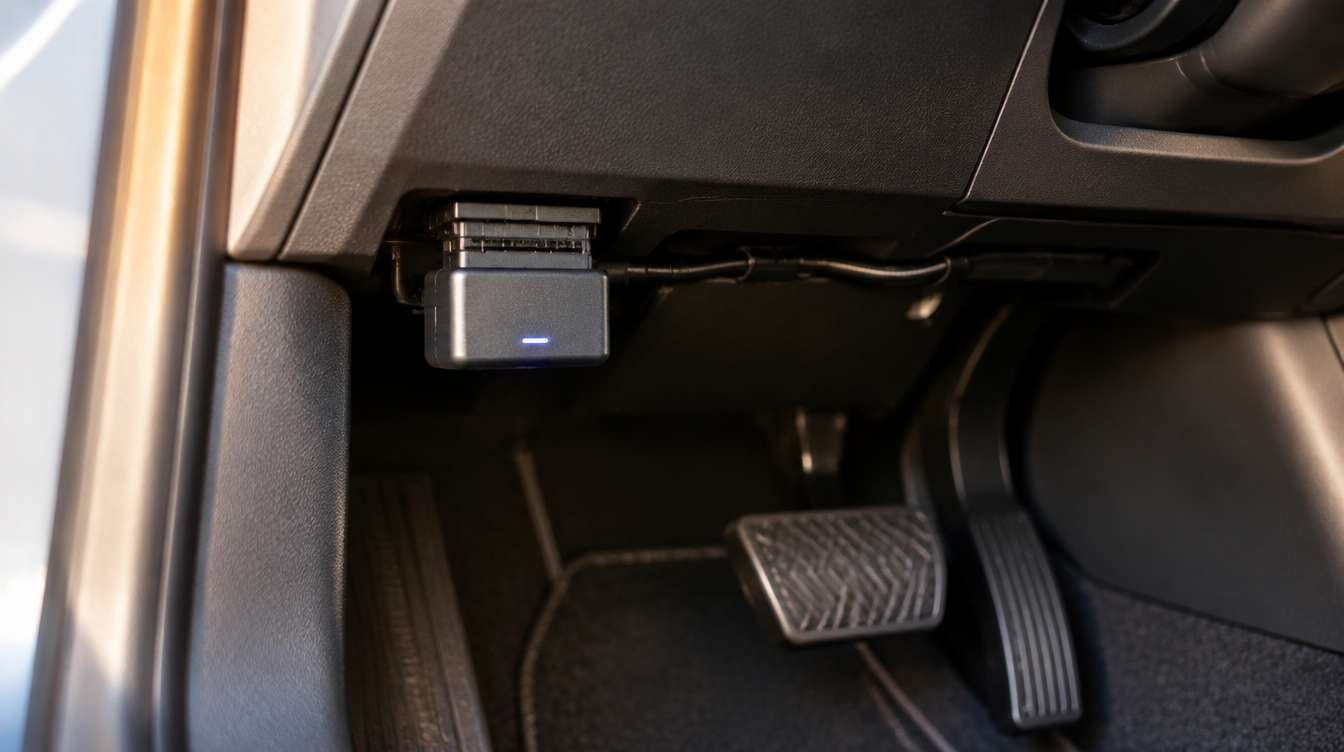
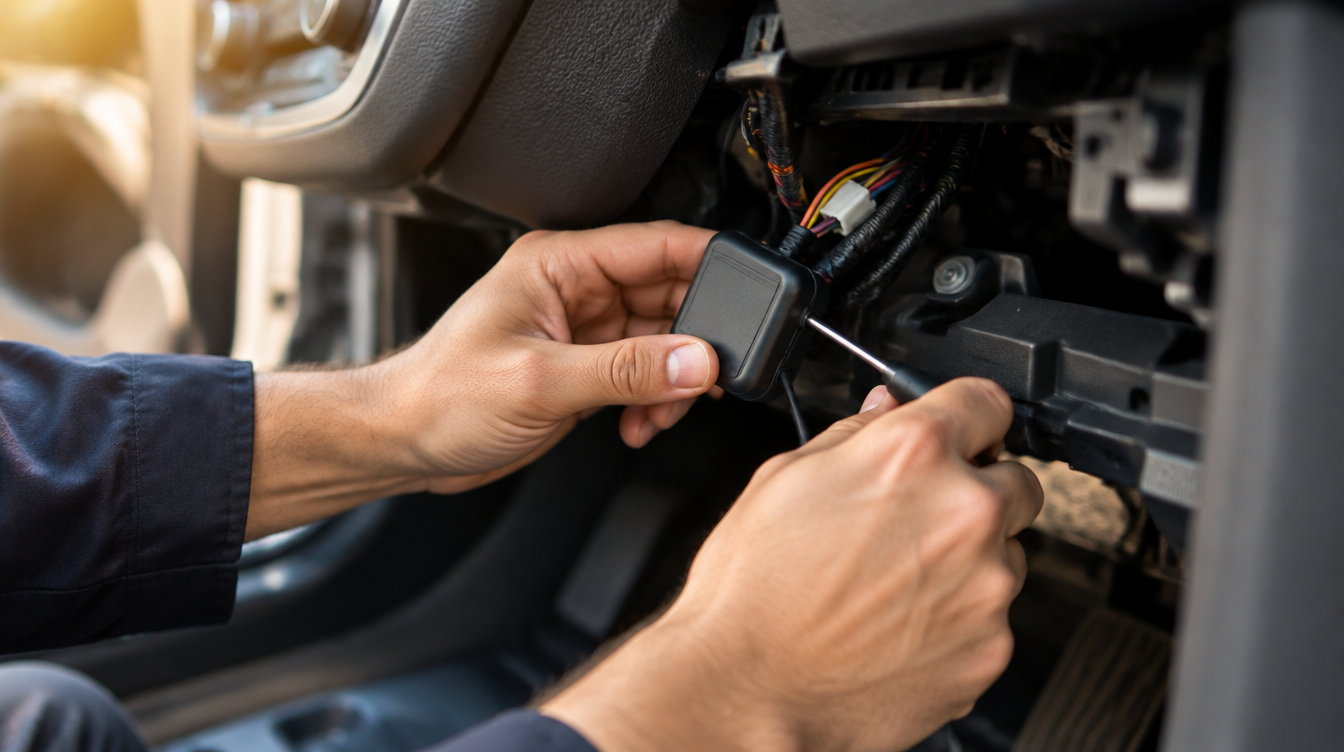
Plug-in or hardwired? The choice affects install time, tamper resistance, and even how comfortable your insurer feels about the whole setup. Here's the honest, practical comparison.
Airport delivery can be a serious booking magnet in the right market, or a genuine margin trap in the wrong one, depending on your parking costs, labor, and cancellation rate. Here's how to decide.
It's one of the most stressful situations any host can face. Here's a calm, staged escalation path to follow instead of panicking or jumping straight to the worst-case assumption too early.
When something actually goes wrong, an accident, a tow, a real dispute, the chaos comes from not knowing what to track in the moment. A single page fixes that problem completely.
Most bad reviews trace back to the same handful of turnover mistakes, repeated over and over. A simple, repeatable checklist prevents almost all of them before a guest ever notices anything wrong.
There's no magic number of cars that automatically triggers a hire. Here's the actual break-even math behind bringing on your first employee, and why the right moment often arrives earlier than expected.
As a fleet grows past a handful of cars, the question of who actually takes the pre-trip and post-trip photos stops being trivial. Here's how experienced operators think through the decision.
Settings drift over time. A mileage cap here, a pricing rule there, small changes nobody quite remembers making. A five-minute weekly check catches all of it before it actually costs you real money.
A car that's never idle looks like a genuine success story on the surface. It's also aging faster, needing more maintenance sooner, and quietly costing you more than the calendar ever shows.
Weekly and monthly discounts stack together in ways that genuinely surprise a lot of hosts. Here's how to check whether your discount settings are actually helping or quietly eating your margin.
Since January 19, 2026, a 10% non-refundable discount option has been standard on every Turo listing. Here is what it actually does for your calendar, and why it is worth understanding rather than ignoring.
One host asked whether it was worth billing a guest for a dollar-fifty toll. The internet had a lot to say, and buried in the debate was a genuinely useful lesson about pricing.
If you can't answer these five questions about your fleet without pausing to think, you're running on vibes instead of real data. Here's the short list genuinely worth memorizing cold.
On January 7, 2026, Turo collapsed five protection plans down to three. Here is what actually changed, what happened to your existing listings, and how to think about the new 70, 80, and 90 tiers.
Prestige doesn't pay the bills. Margin does. Here's why a cheap, reliable economy car often quietly beats a flashy vehicle on the one metric that actually determines how a fleet performs.
It's the most-asked question in every hosting community, and the honest answer is that it depends on inputs most people never actually sit down and calculate for themselves.
More bookings feels like more success on the surface. But utilization and profit are genuinely different levers, and chasing one too hard can quietly work against the other for months.
Odor is one of the hardest things to prove after the fact. Here's how to document a smoking claim so it holds up under review, without overstating what you actually know for certain.
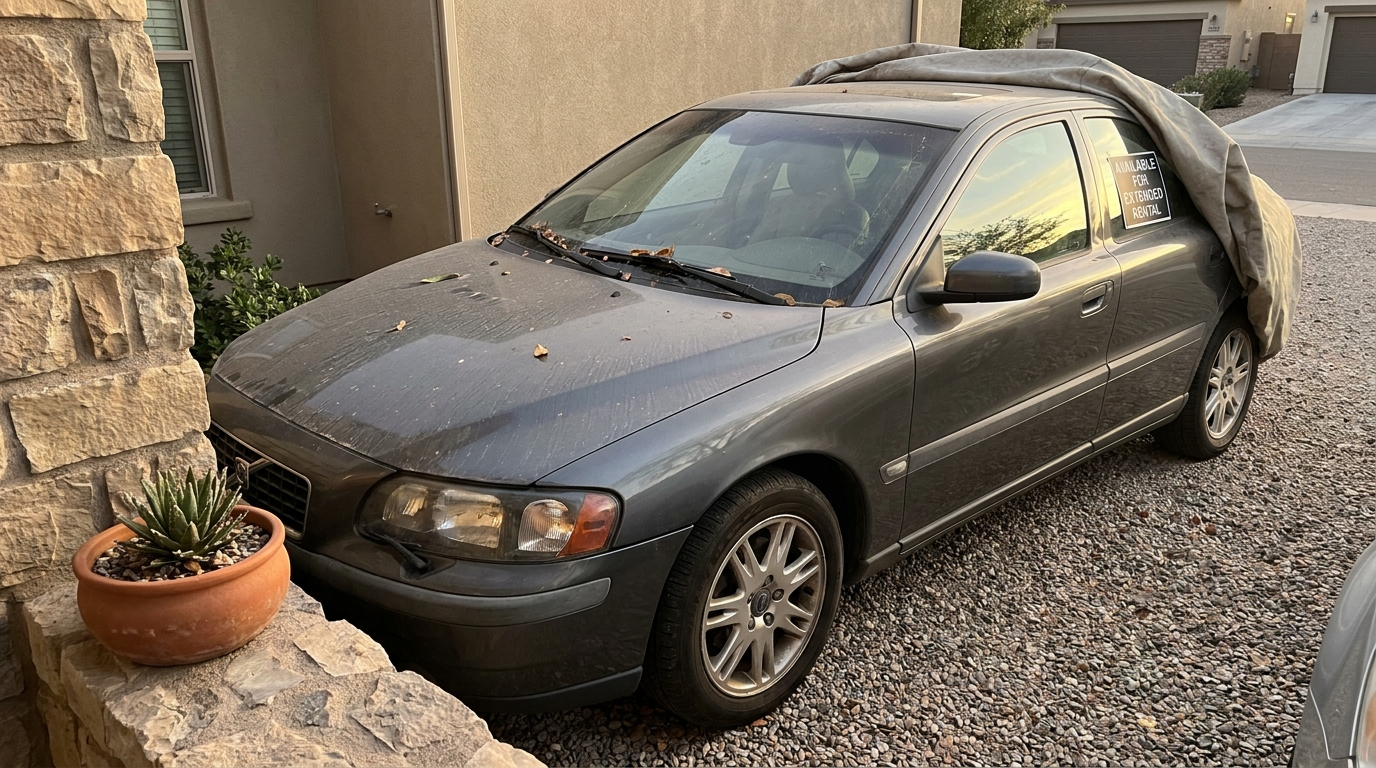
Your car isn't only at risk during active trips. The hours in between, sitting in a driveway, at a staging lot, or getting cleaned, are a coverage gap a lot of new hosts don't realize exists at all.
The first ten minutes after finding damage set the tone for the entire claims process ahead. Here's the calm, repeatable sequence to follow instead of panicking or reacting on pure emotion.
Not every scratch needs a formal claim. Here's the four-question framework experienced hosts use to decide fast, every time, without agonizing over every single ding a car comes back with.
When a damage claim gets denied, it's almost never because the damage wasn't real. It's because the evidence didn't hold together on its own. Here's the checklist that fixes that for good.
It sounds like insurance jargon, but damage responsibility is a simple idea once you strip away the vocabulary. Here's what it actually means for your wallet, in terms that finally make sense.
Turo's protection plans changed again this year. Here's a plain language breakdown of what each plan actually trades off between your earnings and your risk, so you can pick with confidence.
Trip fee, Power Host, damage responsibility, advance notice. The jargon can feel overwhelming at first. Here's a plain language glossary to get you oriented fast, without digging through forums.
Adding a second car isn't just doubling your income. It's doubling your operational load at the same time, and here's how experienced hosts actually decide when they're ready for that trade.
The hosts who never seem to get burned by a bad claim usually have one thing in common: they document everything, every single time, without exception, long before they ever need to prove anything.
You don't need a law degree to set up your car rental business correctly. Here's the short, practical list that actually matters before your first booking, and why each step earns its place.
Direct rentals sound appealing: no marketplace fees, full control. So why do experienced hosts almost always start on Turo? Because the platform absorbs the hardest part of the business for you.
Before you list your first car, be honest about the time, cash, and temperament this business actually needs. Here's the quick self-test experienced hosts wish someone had given them on day one.
Becoming a Turo host can generate extra income and build a profitable side hustle, with average earnings of $906/month per vehicle. To get started, sign up and create your profile, list your vehicle with high-quality photos and details, set your pricing, and manage availability and booking settings. With expert Turo coaching, you can avoid costly mistakes, scale faster, and achieve 75-90% monthly utilization, turning your Turo business into a full-time venture.
Considering a Turo business in 2025? Weigh opportunities and challenges by analyzing market demand, earning potential, and economic factors. With the right strategy, Turo can be a viable business opportunity, offering a chance to offset car ownership costs and take control of your financial future.
Starting a car-sharing business on Turo can be lucrative, but the initial investment in vehicles can be a hurdle. Creative financing options, partnerships, and strategies can help scale your fleet without breaking the bank. Utilize business credit, financing, and leasing, while considering partnerships and operational strategies to ensure financial stability and long-term sustainability.
Turning your Turo hustle into a full-time gig requires mastering the basics and taking your operation to the next level. This guide will help you scale your business by laying the foundation, scaling your fleet strategically, maximizing revenue, and providing excellent customer service, ultimately turning your Turo operation into a reliable income stream.
Hosting like a pro on Turo requires avoiding common mistakes that can cost you money. From neglecting vehicle maintenance to ignoring Turo's terms of service, these errors can lead to bad reviews and lost bookings. By following 10 simple tips, such as maintaining your vehicle, cleaning and disinfecting, and setting competitive pricing, you can navigate the road to hosting success and increase your earnings.
Streamlining your Turo business is key to maximizing efficiency and profitability. By automating tasks such as pricing, communication, and key exchange, you can reclaim your time and focus on high-value activities that drive revenue. Implementing strategies like hiring virtual assistants, optimizing trip preferences, and using business tools can help you scale your business without being overwhelmed by day-to-day tasks.
Expanding your Turo fleet can be exciting, but it's not without challenges. To navigate this journey, consider key financial and operational risks, such as over-leveraging and surprise costs. Scale only when your cash flow can handle it and keep an emergency fund for unexpected expenses. Establish clear processes and prioritize customer experience to ensure a thriving business.
To maximize earnings on Turo, choosing the right vehicles is crucial. Understand your local market demands and prioritize profitability by selecting cars with low maintenance costs and good return on investment. Consider popular models like three-row vehicles, Mazdas, and Hyundais, and avoid unreliable or high-maintenance cars. Balance risk and reward by starting with economical "rabbit" cars before moving to luxury "elephant" cars.
Turn your car into a cash machine with Turo, a car-sharing platform that helps you earn big. With a little effort and strategy, you can unlock a stream of income, covering car payments, generating side income, or building a business. Get started with this step-by-step guide and make your first booking in no time, with the potential to earn $500 a month or more from a single car.