Running Both Turo and Direct Bookings Without Double-Booking Yourself
The moment a single vehicle is bookable through more than one channel, double-booking stops being a theoretical risk and becomes a real possibility — and it's one of the fastest ways to burn a guest relationship on either side.
Why it happens
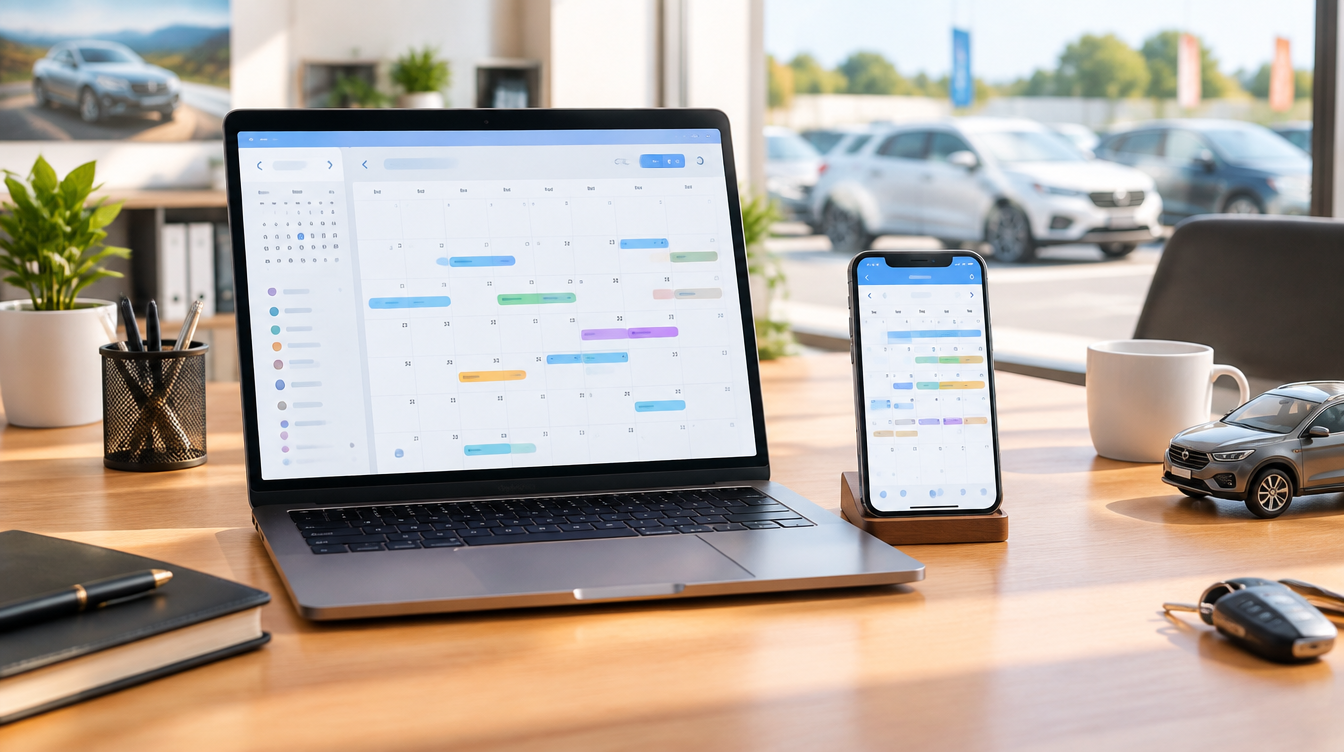
Two separate booking systems don't automatically know about each other. A vehicle blocked on one calendar can still show as available on the other unless something actively keeps them in sync, in real time, not just at the end of the day.
The manual approach, and its limits
Some hosts manage this by hand — blocking dates on one system the moment a booking lands on the other. It works at a small scale, with real discipline, but it doesn't survive a busy week, multiple vehicles, or more than one person managing the calendar.
What actually holds up as you grow
- A single source of truth for availability, syncing outward to both channels rather than managing two calendars independently.
- Buffer time built in around every booking, so a slightly-late sync doesn't create an overlap at the margins.
- A clear rule for who checks first before confirming any booking manually, if you're not fully automated yet.
- A daily cross-check habit, at minimum, until you're confident the sync is fully reliable.
The cost of getting this wrong
A double-booked guest doesn't just cost you that one trip — it costs you a review, and possibly a relationship you were trying to build outside the marketplace in the first place. Treat calendar integrity as a real operational priority, not an afterthought once you add a second channel.