Turo announced customizable delivery zones as one of its highly anticipated 2026 features, rolling out this fall. Here is what it's meant to do, and how to think about it before it actually reaches your account.
It's become something of a running question in hosting communities: what's the very first thing that actually breaks once a fleet crosses into double digits? The answers turn out to be surprisingly consistent.
Turo launched in-app direct co-host payment splitting in the summer of 2026, replacing manual spreadsheets for hosts who share earnings with business partners. Here is what it actually does, and what it doesn't replace.
Turo expanded vehicle eligibility in 2026 to include large multi-passenger vans seating up to 15 people, with one notable exception in California. Here is what actually changed and who it's worth considering for.
If you take odometer photos at check-in and check-out, Turo now pulls that data automatically into your additional distance charge. Here is exactly how the new automated mileage incidental works.
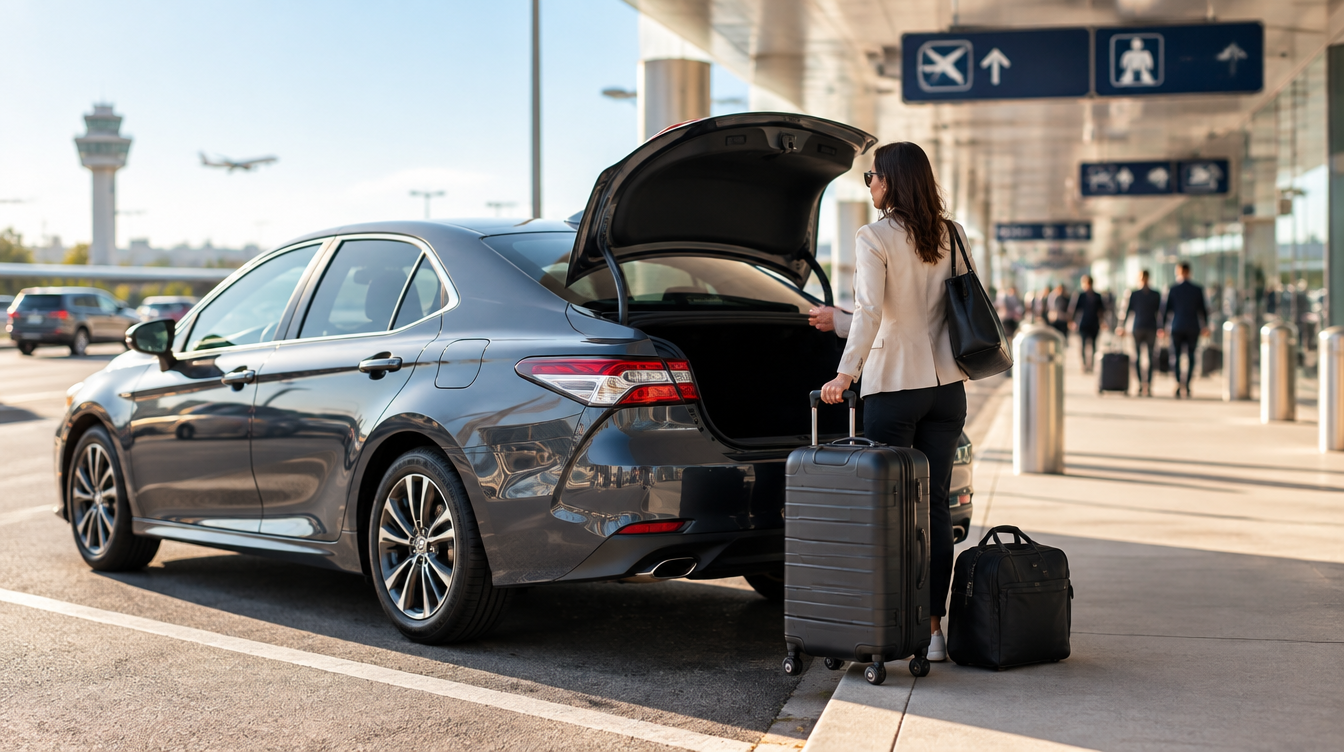
Turo's new flight tracking feature automatically captures a guest's flight details once they add them to a trip, and lets you track the flight up to 24 hours out. Here is what it actually changes for airport delivery.
The moment you run two separate booking channels for the exact same car, double-booking becomes a genuinely real risk, not a hypothetical one. Here's how to keep both calendars honest at all times.
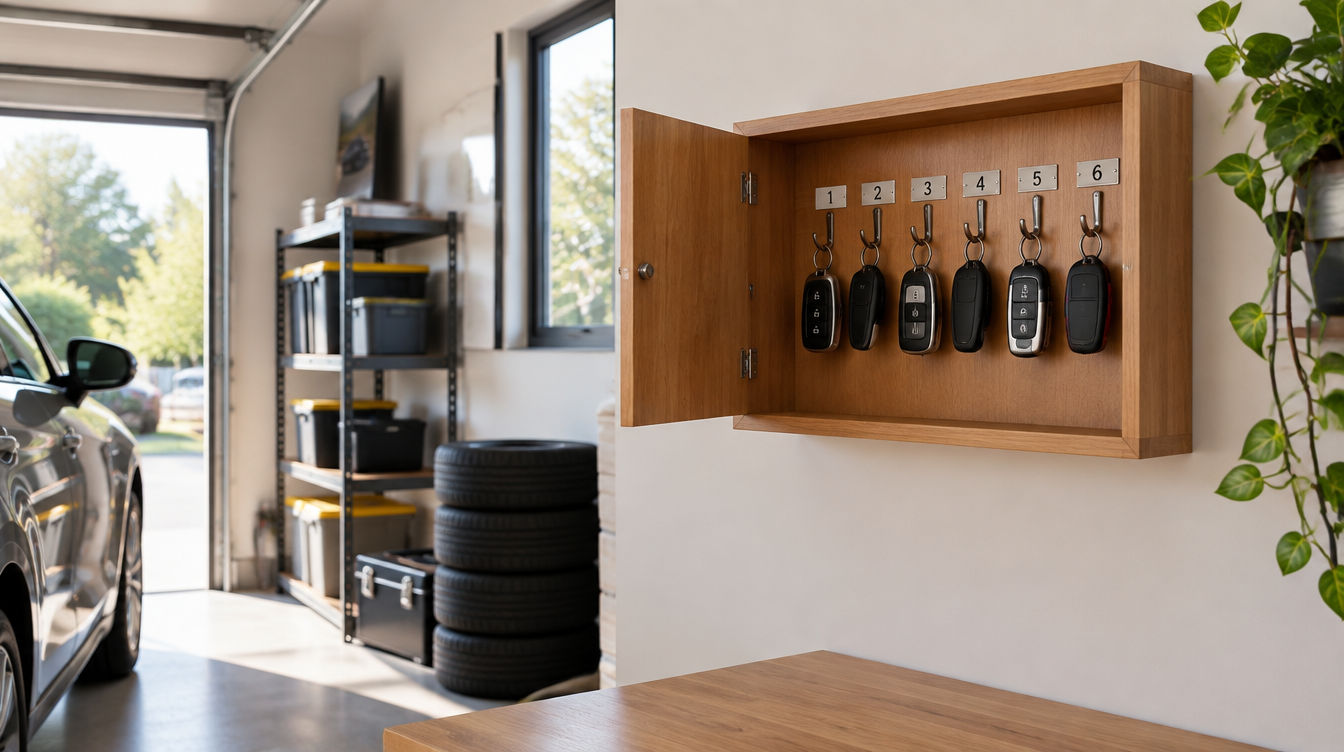
As a fleet grows, keeping track of physical keys gets surprisingly hard, faster than most hosts expect. Here's a simple system that scales cleanly without turning into a spreadsheet nightmare.
Airport delivery can be a serious booking magnet in the right market, or a genuine margin trap in the wrong one, depending on your parking costs, labor, and cancellation rate. Here's how to decide.
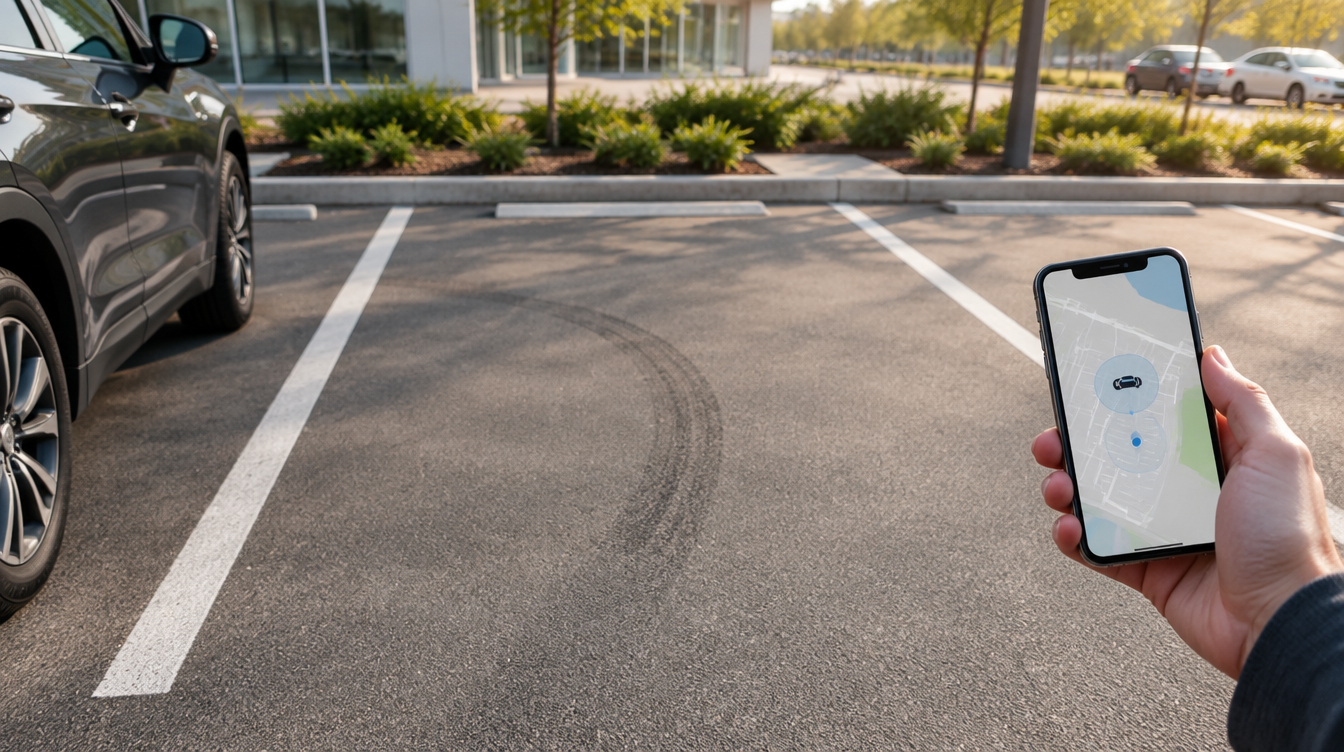
It's one of the most stressful situations any host can face. Here's a calm, staged escalation path to follow instead of panicking or jumping straight to the worst-case assumption too early.
When something actually goes wrong, an accident, a tow, a real dispute, the chaos comes from not knowing what to track in the moment. A single page fixes that problem completely.
Most bad reviews trace back to the same handful of turnover mistakes, repeated over and over. A simple, repeatable checklist prevents almost all of them before a guest ever notices anything wrong.
There's no magic number of cars that automatically triggers a hire. Here's the actual break-even math behind bringing on your first employee, and why the right moment often arrives earlier than expected.
As a fleet grows past a handful of cars, the question of who actually takes the pre-trip and post-trip photos stops being trivial. Here's how experienced operators think through the decision.
Settings drift over time. A mileage cap here, a pricing rule there, small changes nobody quite remembers making. A five-minute weekly check catches all of it before it actually costs you real money.
If you can't answer these five questions about your fleet without pausing to think, you're running on vibes instead of real data. Here's the short list genuinely worth memorizing cold.
Adding a second car isn't just doubling your income. It's doubling your operational load at the same time, and here's how experienced hosts actually decide when they're ready for that trade.
Becoming a Turo host can generate extra income and build a profitable side hustle, with average earnings of $906/month per vehicle. To get started, sign up and create your profile, list your vehicle with high-quality photos and details, set your pricing, and manage availability and booking settings. With expert Turo coaching, you can avoid costly mistakes, scale faster, and achieve 75-90% monthly utilization, turning your Turo business into a full-time venture.
Streamlining your Turo business is key to maximizing efficiency and profitability. By automating tasks such as pricing, communication, and key exchange, you can reclaim your time and focus on high-value activities that drive revenue. Implementing strategies like hiring virtual assistants, optimizing trip preferences, and using business tools can help you scale your business without being overwhelmed by day-to-day tasks.
Expanding your Turo fleet can be exciting, but it's not without challenges. To navigate this journey, consider key financial and operational risks, such as over-leveraging and surprise costs. Scale only when your cash flow can handle it and keep an emergency fund for unexpected expenses. Establish clear processes and prioritize customer experience to ensure a thriving business.
To maximize earnings on Turo, choosing the right vehicles is crucial. Understand your local market demands and prioritize profitability by selecting cars with low maintenance costs and good return on investment. Consider popular models like three-row vehicles, Mazdas, and Hyundais, and avoid unreliable or high-maintenance cars. Balance risk and reward by starting with economical "rabbit" cars before moving to luxury "elephant" cars.