Key Custody 101: A Simple System So No Car Goes Missing
With one car, you always know exactly where the key is. It's either with you personally, or with the current guest. With ten cars, three cleaners, and a co-host all in the mix, "where's the key to unit seven" can turn into a genuine, ten-minute mystery the moment there's no real system actually backing things up.
The good news is that the fix here doesn't require any special software. It just requires one consistent rule, applied without exception, no matter how busy a given day gets.
The core rule
At every single moment, exactly one person or one fixed location should be the answerable custodian of each key. Not "probably in the office somewhere." A specific hook, a specific lockbox, or a specific named person, tracked the exact same way every single time without variation.
A system that scales without needing software
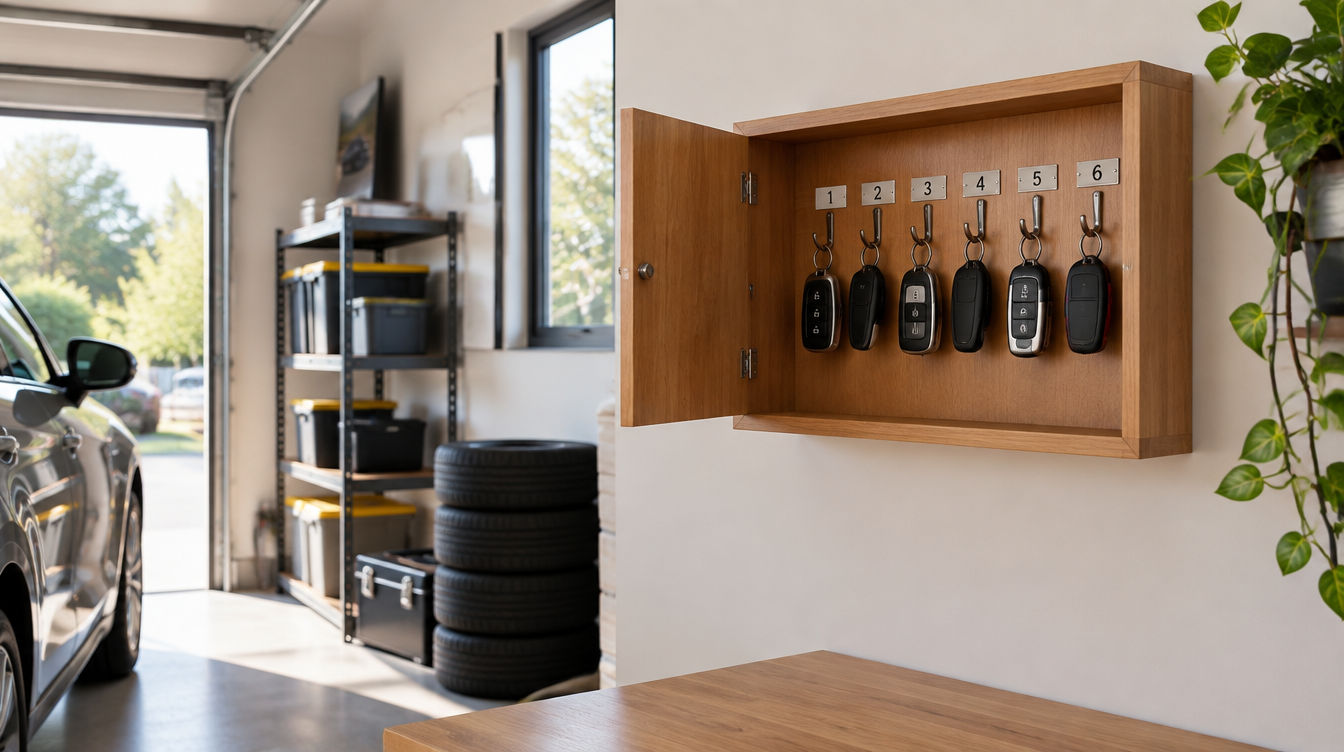
- A labeled key cabinet: one clearly marked hook per vehicle, in a fixed location that everyone on the team already knows about.
- A simple sign-out log: even a plain physical clipboard works fine here. Who took which key, when they took it, and for what stated purpose.
- Lockboxes for guest handoffs: a controlled access code, changed on a regular schedule, rather than a key just sitting exposed in an unmonitored spot.
- A contractor handoff rule: cleaners and delivery drivers return keys to the cabinet immediately after each use, not "whenever they happen to get around to it."
What this looks like on a busy turnover day
Three cars are turning over within the same two-hour window. Each cleaner signs a key out of the cabinet, logs the time, and returns it the moment their car is ready. A delivery driver picks up a key already logged as available, drives the car to the guest, and hands off through a lockbox rather than meeting in person. At no point does anyone need to ask around or guess, because the log and the cabinet together answer the question before it's even asked.
Build the emergency override in advance
Decide right now who has the authority to access any key in a genuine emergency, and exactly how, well before you actually need it during a real incident at eleven at night. Improvising an override process in the middle of an active crisis is precisely how these systems break down exactly when they matter most.
None of this needs to be fancy or expensive. It just needs to be consistent: the exact same answer, every single time, to "where's that key right now."