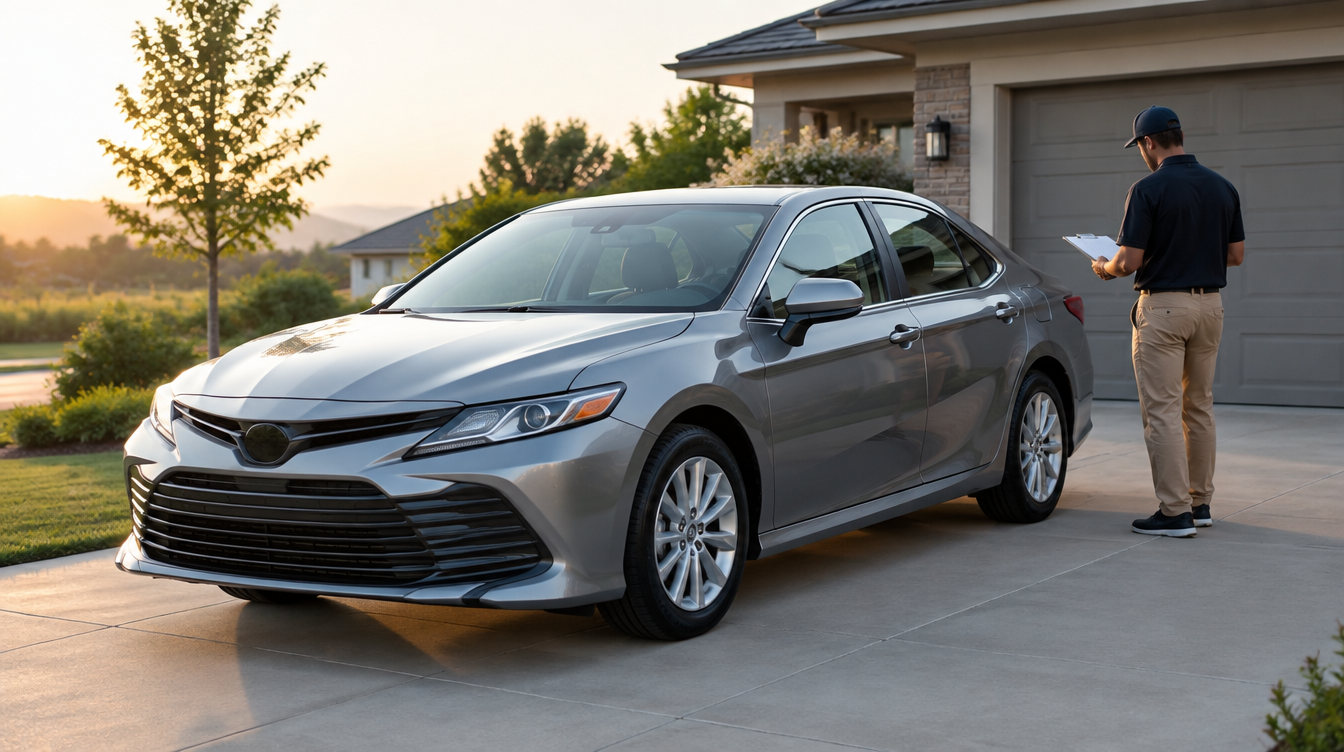
Is Turo Hosting Actually Right for You? A Reality Check
Everyone sees the same numbers online: a host somewhere is clearing a few thousand dollars a month off a car that would otherwise sit unused in a driveway. It looks like easy money, and for the right person, in the right situation, it genuinely can be. What almost nobody posts is the 11pm message from a guest locked out of the car, or the afternoon spent on hold with a claims adjuster explaining a scratch that wasn't there last week. Both of those things are true about this business at the same time, and deciding whether it's right for you starts with being honest about which version you're actually signing up for.
This isn't a warning against hosting. Plenty of people build something real and profitable out of one car and a bit of patience. It's a suggestion to run a short, honest self-test before you buy anything, because the mistakes that sink new hosts almost always trace back to one of three blind spots: time, cash, or temperament.
The time question
A single car on Turo is not a full-time job, and it also isn't the "set it and forget it" investment some listings make it sound like. You will answer messages, some of them at inconvenient hours. You will coordinate handoffs, sometimes on short notice. And every so often something will go sideways in a small, annoying way: a low tire, a guest running late, a car that needs a quick clean before the next trip starts in two hours. None of that is dramatic on its own, but it adds up to a real, recurring commitment.
If your calendar is already packed with a demanding job, young kids, or a lot of travel of your own, that doesn't rule you out. It just means you should start with one vehicle, run it for a full month, and pay attention to how the actual time commitment feels against your life, rather than how it looked in a YouTube video before you bought your first car.
The cash question
You need more in the bank than the purchase price of the vehicle. Cleaning between trips costs money. Maintenance shows up faster with rental use than with normal personal driving, because more miles and more drivers means more wear. And there's almost always a gap between an incident happening and a claim actually getting resolved, during which the car might be earning nothing while bills keep arriving.
Hosts who get burned early are, almost without exception, the ones who bought a car right at the edge of their budget and had nothing left over for the first surprise. Build in a real cushion before you list anything. Think of it as part of the cost of the car, not an optional extra.
The temperament question
This is the one people skip when they're excited about the income potential. Car sharing means handing your property to strangers, and every so often one of those strangers is going to dispute a charge, leave the car dirtier than you'd like, or argue about something you thought was obvious. That friction is a normal, recurring part of the job, not a sign that something has gone wrong.
If disagreements over money genuinely ruin your week, or if you take a bad review personally rather than as one data point among hundreds, that's worth knowing about yourself before car one, not after car three when you've already scaled past the point where it's easy to walk away.
The honest verdict
If you have a reliable vehicle, a real financial cushion, and the ability to treat guest issues as part of the job rather than a personal insult, you're in a solid starting position. This business consistently rewards people who run it like a business: tracking real numbers, following a routine, and improving the process a little bit every month. It just as consistently punishes people chasing a passive income headline who never got past the first hard weekend.
Start small. Track everything for a full month, not just the good weeks. Let the real numbers, not the highlight reel from someone else's fleet, tell you whether it's time to scale.