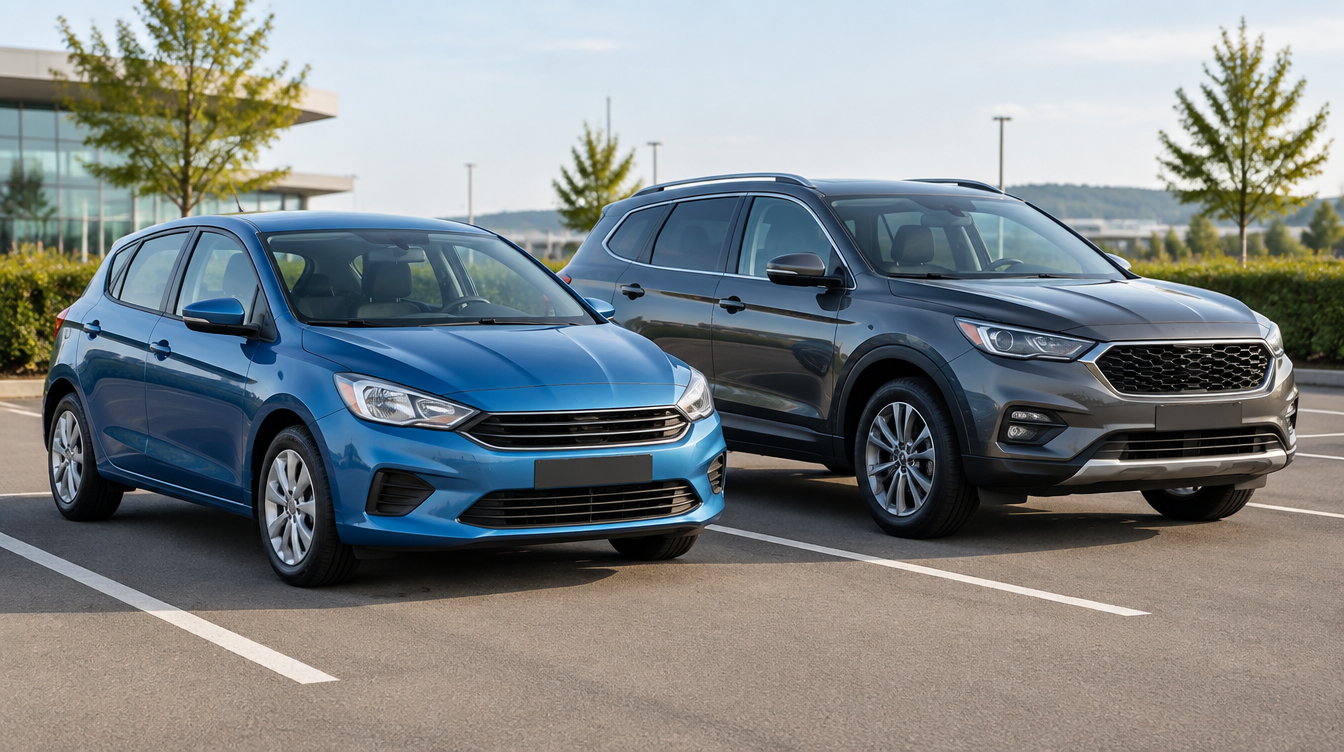
Why a $4,000 Economy Car Can Outearn a $40,000 SUV
It's tempting to assume the flashiest, most eye-catching car in your fleet will automatically be the biggest earner. Sometimes it genuinely is. But plenty of experienced fleet operators will tell you their most consistently profitable vehicle is something modest: a compact hatchback, a mid-size sedan, nothing anyone would ever stop to photograph for the attention it draws.
The gap between what looks impressive and what actually performs well financially is bigger than most new hosts expect, and it comes down to a handful of concrete, measurable factors rather than anything about how the car looks in a listing photo.
Revenue isn't the same thing as margin
A luxury SUV might command a much higher daily rate on paper. It also comes bundled with a much higher purchase price, pricier tires, costlier repairs when something inevitably goes wrong, and often lower overall utilization, simply because fewer guests are actively searching for, or can genuinely afford, that vehicle category on any given weekend.
The economy car advantage
- Lower acquisition cost means a faster payback period and meaningfully less financial exposure if something eventually goes wrong.
- Cheap, widely available parts mean a fender bender turns into a quick, affordable fix rather than a multi-week repair with an expensive bill attached.
- Broad appeal means nearly every guest searching can realistically book an economy car, which usually translates into steadier utilization month over month.
- Lower damage responsibility exposure in raw dollar terms, since repairs across the board are simply cheaper for these vehicles.
Putting real numbers next to each other
A four thousand dollar economy car booked twenty-two days a month at forty-five dollars net might clear a genuinely healthy margin once cheap maintenance and minimal depreciation risk are factored in. A forty thousand dollar SUV booked only twelve days a month at a much higher rate can still net less in absolute profit, once a bigger loan payment, pricier tires, and a slower resale curve are subtracted from that bigger top-line number. The sticker price tells you what you paid. It doesn't tell you what you'll keep.
This isn't an argument against nice cars
A well-chosen SUV or luxury vehicle absolutely can be a strong top earner, for the right market, the right price point, and an operator who genuinely understands its specific costs going in. The real point here isn't "always buy the cheapest option available." It's "run the actual math for each specific vehicle" instead of assuming a bigger price tag automatically means a bigger return once all the real costs are accounted for.
The best car for your fleet is the one with the best margin once every cost is honestly included, not simply the one that photographs best in your listing.