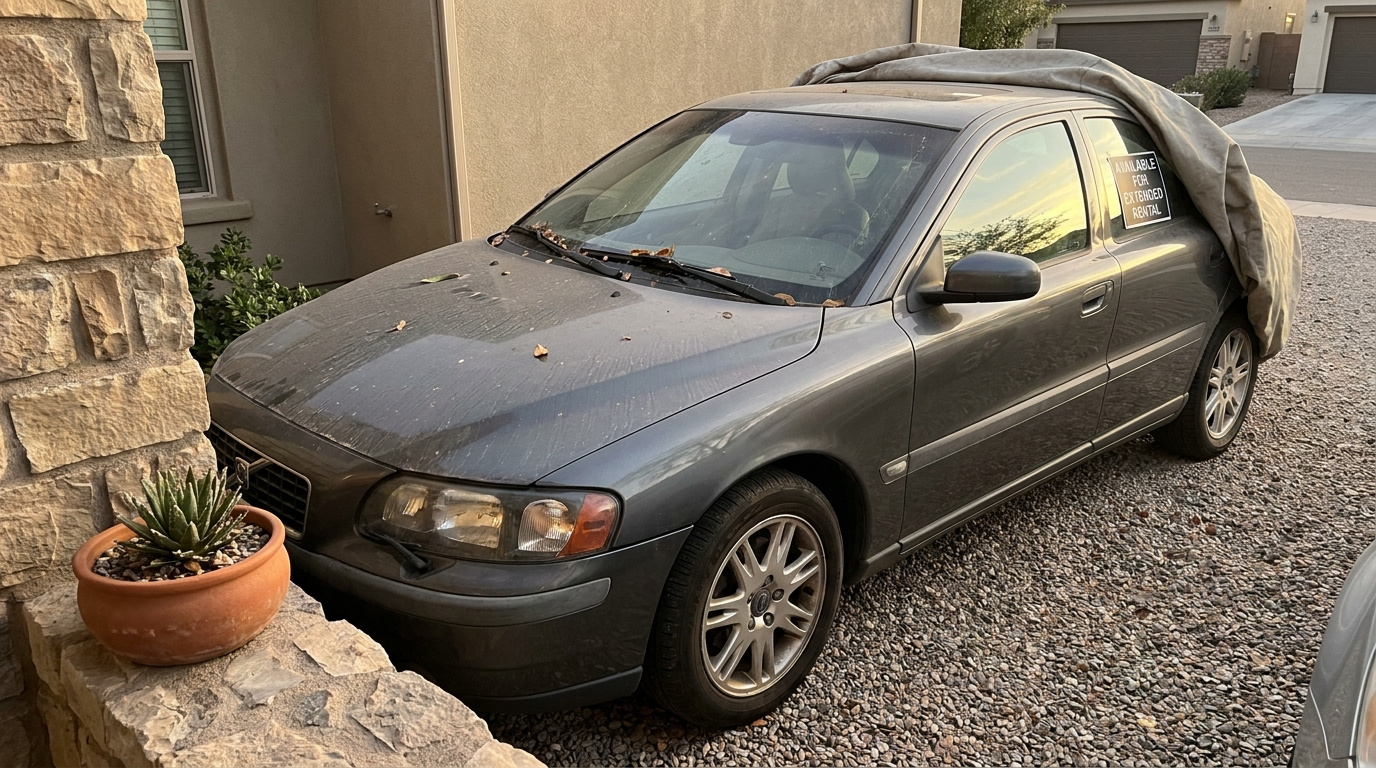
The One-Year Extension Cap Is Gone
US and Australian guests can now extend a Turo trip past 365 days. Before 2026, a year was a hard technical wall: an active trip that hit the cap had to end and restart as a brand-new booking, no matter how stable the underlying arrangement actually was.
The change was announced by Turo's CEO directly in A new era of Turo: Winning together in 2026 and beyond, governed by Turo's Terms of Service.
What the old 365-day wall actually forced
A guest a year into a stable monthly rental, someone with a clean payment history and zero incidents, still had to go through an administrative reset once the calendar hit day 365. That reset created a real moment of friction on both sides for no underlying business reason. It also risked genuine churn: a guest forced to rebook has a chance to shop elsewhere, even if they were perfectly happy.
Why this specifically favors long-term hosts
Monthly and long-term rentals already run some of the lowest incident rates on the platform, the exact profile Turo's 2026 strategy is built to reward elsewhere too. A guest with a year of clean history behind them is about as low-risk as a booking gets. Removing the artificial cap lets that relationship continue uninterrupted instead of resetting a low-risk trip back to zero once a year.
What the cap being gone doesn't mean
An extension being technically possible past 365 days isn't a reason to approve every request that comes in. Before saying yes to a multi-year extension, check two things specifically: does your current earnings plan and damage responsibility level still make sense for a vehicle that's effectively out of active rotation for years, and does the guest's payment and communication history over the existing trip actually justify the extended commitment. The removed cap is an option, not an obligation.
The Orlando thread running through this change too
Like the discount-stacking fix and the earnings-plan rename, this one traces back to the same 2026 Power Host Summit feedback cycle. Turo grouped it under "unlocking long-term demand" alongside the new minimum-length discount tiers, treating the extension cap as one more artificial constraint standing between a host and a guest who both wanted to keep an already-working arrangement going.
Before you approve the next long extension request
Pull the guest's actual payment and incident history for the trip so far, not your general impression of them. The cap being gone removes a technical barrier, not the judgment call underneath every extension decision.