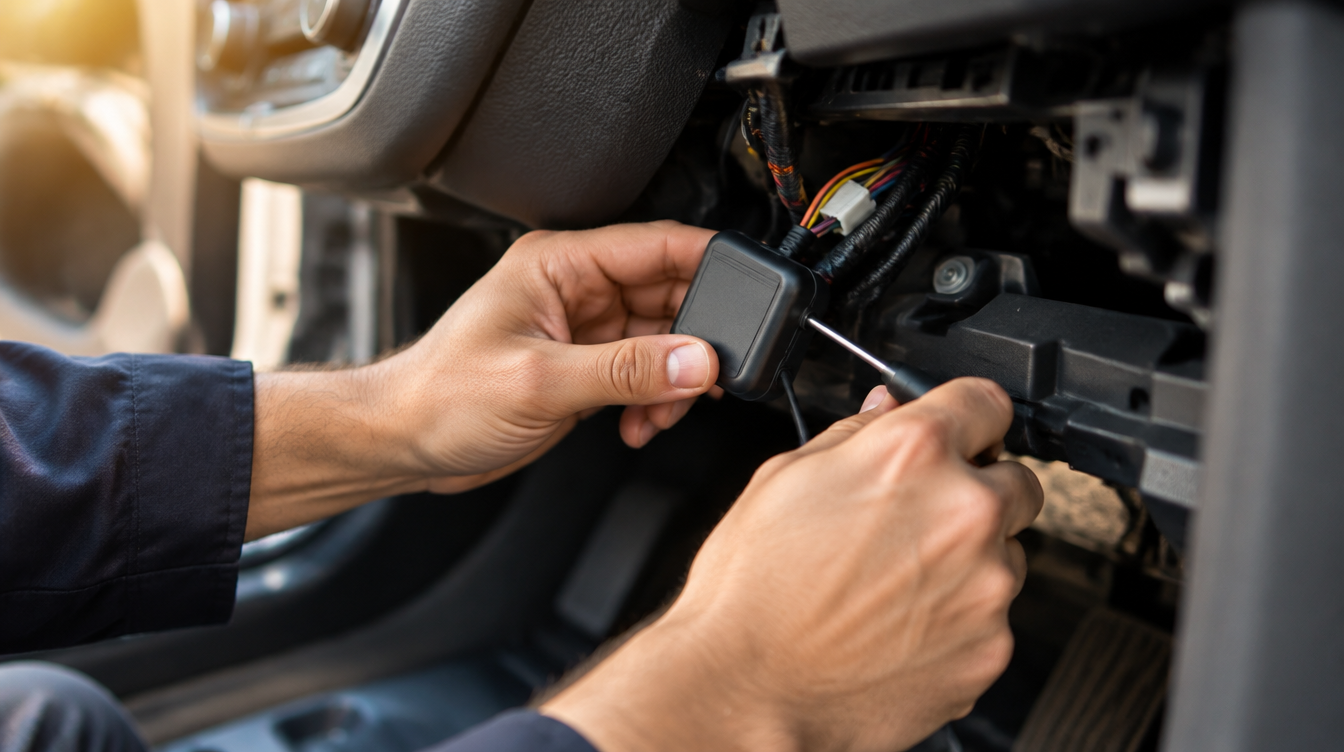
GPS Tracker Comparison: OBD vs. Hardwired for Turo Fleets
Every fleet operator eventually ends up having the same conversation with someone: plug-in OBD trackers are fast and easy to install, but hardwired units are considerably harder for a curious guest to disable during a trip. Neither option is universally right for every situation. It genuinely depends on what you're actually optimizing for at your current stage of running the fleet.
Laid out side by side, the trade-offs become pretty clear pretty quickly, which is why most fleets end up migrating from one to the other as they grow rather than picking blindly at the start.
OBD plug-in trackers
Pros: Installs in minutes with no wiring skill needed at all, and it's easy to move between vehicles as your fleet composition changes over time.
Cons: Sits in plain sight under the dash, which makes it genuinely easy for a guest to notice and, sometimes, unplug it entirely.
Hardwired trackers
Pros: Concealed wiring is considerably harder to tamper with, generally offers more reliable power delivery, and tends to be preferred by insurers when they're evaluating overall fleet risk.
Cons: Takes noticeably longer to install, usually requires some real wiring competence, and is harder to move between vehicles once it's already installed.
Why curious guests unplugging trackers is a real, common pattern
It's usually not malicious at all. Plenty of guests simply notice an unfamiliar device under the dash and disconnect it out of curiosity or a misplaced sense of privacy concern. But it completely defeats the entire purpose of having a tracker installed in the first place, and it's one of the most-cited reasons growing fleets eventually migrate toward hardwired installs as they scale up.
A rough cost comparison worth knowing
OBD units typically cost less upfront and install in the time it takes to grab a coffee, which makes them the obvious starting point for a one or two car operation. Hardwired installs generally cost more per vehicle once you include the extra labor time, but that cost gets diluted fast across a growing fleet, and the reliability gain often pays for itself the first time a tracker would otherwise have gone dark mid-trip.
How to actually choose between them
For a small fleet just getting started, OBD trackers offer a fast, low-commitment way to get real visibility into your vehicles quickly. For a growing fleet where recovery reliability and insurer requirements start to matter considerably more, hardwired installs are usually the better long-term investment, and it's worth factoring the extra install time into your overall turnaround planning either way.
Whichever option you ultimately choose, tell guests plainly and upfront that the vehicle includes tracking for safety and recovery purposes. Transparency reduces the "curious unplug" problem far more effectively than trying to conceal the device ever will.