How Turo Hosts Protect Their Cars From Theft and Mystery Damage
"It's parked, so it's safe" is one of the more common, and more dangerous, assumptions new hosts make, right up until the moment a car goes missing from a staging lot or a guest returns it with damage that nobody can quite explain afterward. Protecting a fleet genuinely takes a layered approach built up over time, not a single silver-bullet purchase that solves everything at once.
Each layer below catches something the others tend to miss, and together they add up to real, meaningful protection that no single measure could provide on its own.
Layer one: physical key custody
Know exactly where every single key is, at every given moment, and who currently has access to it. A lockbox system, a controlled handoff process, or a secure key cabinet can all work well here. What genuinely matters is that "who has the key right now" is always an answerable question without any guessing involved.
Layer two: GPS and geofencing
A tracker on its own simply tells you where a car currently is. A geofence alert tells you the exact moment it leaves somewhere it shouldn't be, a staging lot, a delivery zone, an expected route, which is a meaningfully faster warning than only discovering the car is gone once you happen to go check on it.
Layer three: camera coverage wherever you can get it
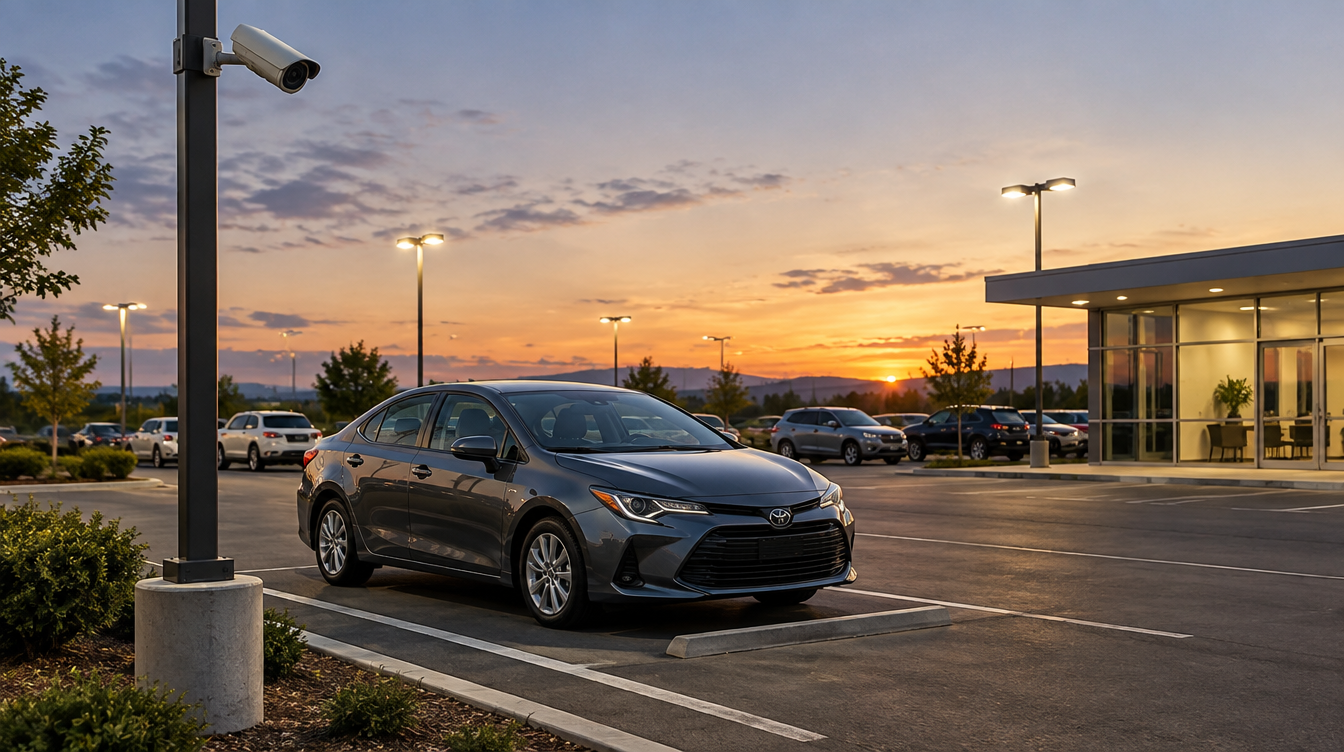
Staging lots and storage locations benefit enormously from even basic camera coverage, even a simple, inexpensive setup. It won't stop every single incident from happening, but it changes both the deterrence factor upfront and, if something does happen anyway, what real evidence you have to work with afterward.
Layer four: documentation habits
Consistent pre-trip and post-trip photos catch mystery damage early, well before it's had time to become genuinely ambiguous about exactly when or how it actually happened.
How the layers work together in practice
Picture a car parked overnight in a staging lot with all four layers in place. The key sits in a labeled lockbox, the lot has a geofence alert set on its boundary, a camera covers the entrance, and the car's last known condition is documented in photos from the previous trip. If the car moves overnight, the geofence fires immediately. If it's gone by morning, the camera footage and the key log narrow down when and how. No single layer catches everything, but together they leave very little room for a genuine mystery.
None of this is one single decision
Security for a fleet isn't a single purchase you make once and forget about. It's a set of habits and small systems stacked deliberately together over time. Each layer catches something the others miss on their own, and together they turn "parked, so hopefully fine" into an actual, defensible security posture you can stand behind.