"Damage Responsibility," Explained Simply
If you've spent any time actually reading Turo's terms rather than skimming past them, you've probably tripped over the phrase "damage responsibility" and wondered exactly how it differs from a normal insurance deductible. The short answer is that it's a related concept dressed in the platform's own specific language, and it's worth understanding on its own terms rather than assuming it maps one-to-one onto the traditional insurance you're used to from your personal auto policy.
Getting this concept clear in your head early saves a lot of confusion the first time you actually have to deal with a claim, and it changes how you price and plan for each vehicle in your fleet.
What it actually is
Damage responsibility is the portion of repair costs you're financially on the hook for if your vehicle is damaged during a trip, based on whichever protection plan is attached to that specific vehicle. It isn't a fixed dollar amount that applies across your whole fleet. It moves depending on which plan you selected for each car when you listed it, which means two vehicles in the same fleet can have very different exposure even if they're worth roughly the same amount.
Why it matters more than people think
New hosts often pick a protection plan based purely on which one pays out the highest share per trip, without ever running the other side of the math: what happens the one time in fifty that something actually goes wrong on that car? A plan that earns you an extra ten percent on every ordinary trip can end up costing you far more than that difference the moment a real, expensive repair bill actually shows up, and by then it's too late to switch plans retroactively.
A concrete example
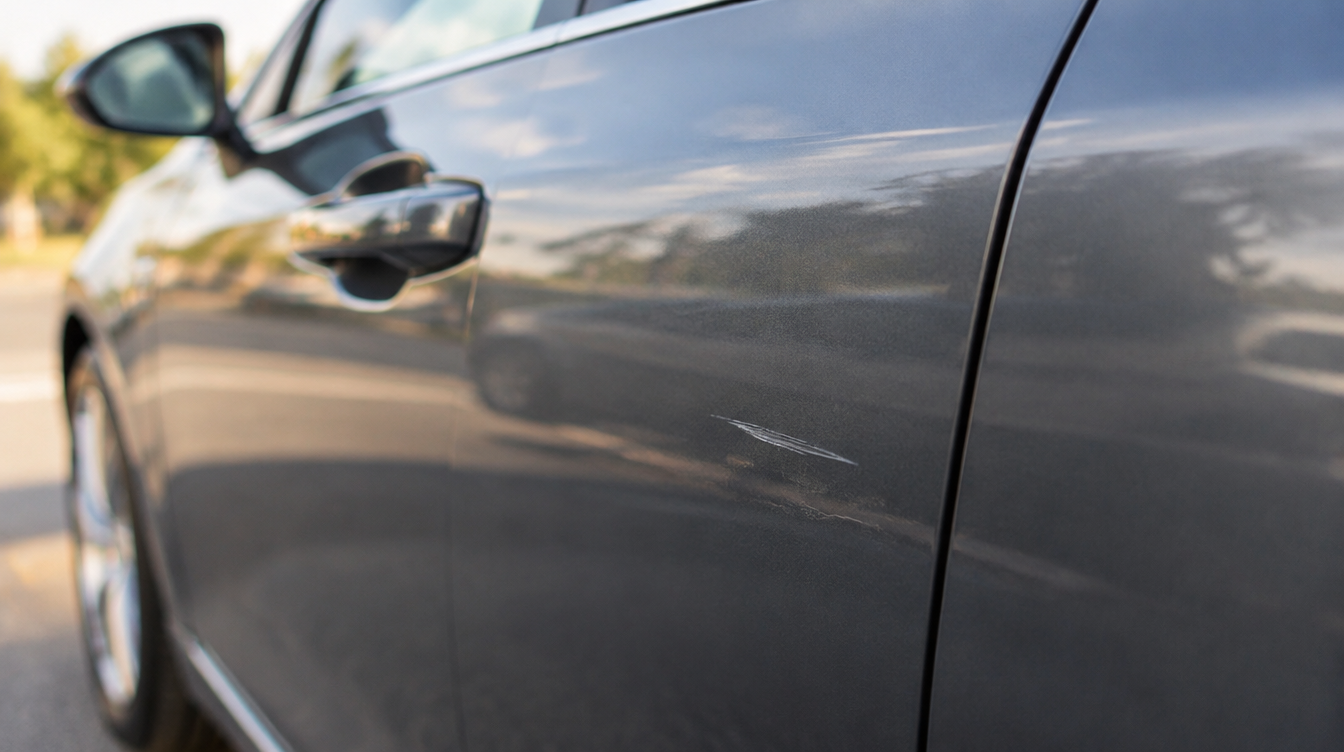
Say a bumper repair on a specific vehicle would realistically run around six hundred dollars. On one plan, your damage responsibility might be a few hundred dollars, meaning the hit is manageable. On another plan chosen purely for the higher earnings share, your responsibility might be considerably closer to the full repair cost. Multiply either number by how often that kind of repair actually happens across a year of trips, and the difference between plans stops being abstract.
The practical takeaway
Before you pick a plan for any given vehicle, get a rough, honest sense of what a moderate repair would actually cost for that specific car: a bumper, a wheel, an interior stain that needs professional cleaning. Compare that realistic number to the earnings difference between plans. For a surprising number of vehicles, the math ends up favoring more protection than hosts instinctively assume, especially in the first year while you're still learning exactly how guests tend to treat your particular cars.
None of this is exciting to think through in advance. But knowing your real exposure before something happens is a lot cheaper, in every sense, than learning it the hard way after the fact.