The Non-Refundable Discount That's Now On by Default
Since January 19, 2026, a 10% non-refundable discount option has been standard on every Turo listing. Here is what it actually does for your calendar, and why it is worth understanding rather than ignoring.
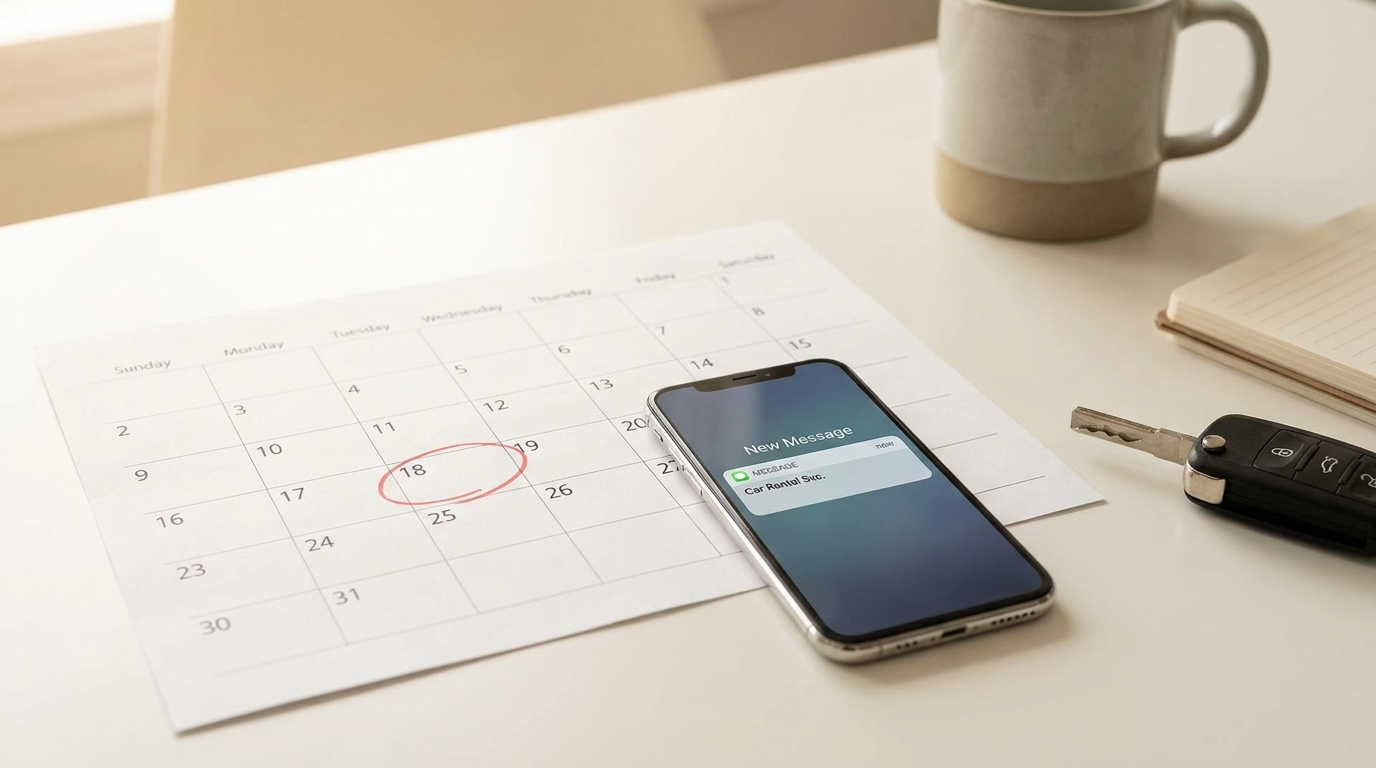
January 19, 2026: a 10% non-refundable discount option went live on every Turo vehicle, for any trip booked four or more days out. Nobody opted into this. It shipped as a platform default.
Per Turo's 2026 marketplace updates post, the logic is borrowed straight from the rest of the travel industry: airlines and hotels have priced non-refundable rates for decades, and Turo standardizing it was meant to normalize the trade for guests while giving hosts a more predictable revenue floor. Current terms: Turo's Terms of Service.
The mechanic, stripped down
A guest who books non-refundable pays less up front and gives up the right to a refund. Cancel anyway, and you keep every dollar of that booking's earnings while the car re-lists itself immediately for the same dates. There's no manual step on your end. The discount and the cancellation protection are baked into the same toggle.
Why it's already shaping your calendar even if you never touch the setting
A non-refundable booking is, by construction, one of the trip types Turo's 2026 pricing strategy is built to reward: it's a committed guest, it's rarely a same-day booking, and it removes the exact cancellation risk that makes last-minute trips expensive to manage. That's the same logic behind the lead-time earnings changes rolling out the same year. A 10% discount that eliminates a no-show is frequently a better deal than the sticker price suggests, since a genuinely canceled last-minute trip often costs you more than 10% in lost, unrecoverable calendar time.
The number worth tracking on your own listings
Pull your booking history and check what percentage of guests are actually choosing the non-refundable rate on your vehicles specifically. If it's a small minority, the feature is background noise. If it's climbing, that's a signal your guest base is trending toward advance planners, which should also change how far out you keep your calendar open and how aggressively you price for last-minute bookers.
How this interacts with the discount math Turo also fixed
The 10% non-refundable rate is the exact discount used in Turo's own worked example when it fixed discount stacking later the same year (also covered in this series). If a guest on your vehicle stacks a duration discount with this non-refundable rate, the combined discount is no longer a flat sum of the two percentages. It's worth knowing both changes landed in 2026, because pricing a long, non-refundable booking today uses different math than it did in 2025.
What to actually watch over the next few months
Track your non-refundable adoption rate quarterly rather than once. A rate that climbs steadily is a signal to open your calendar further out and lean into the advance-booking incentives covered elsewhere in this series, not just a curiosity to note.
- turo 2026 changes
- non-refundable
- cancellation policy