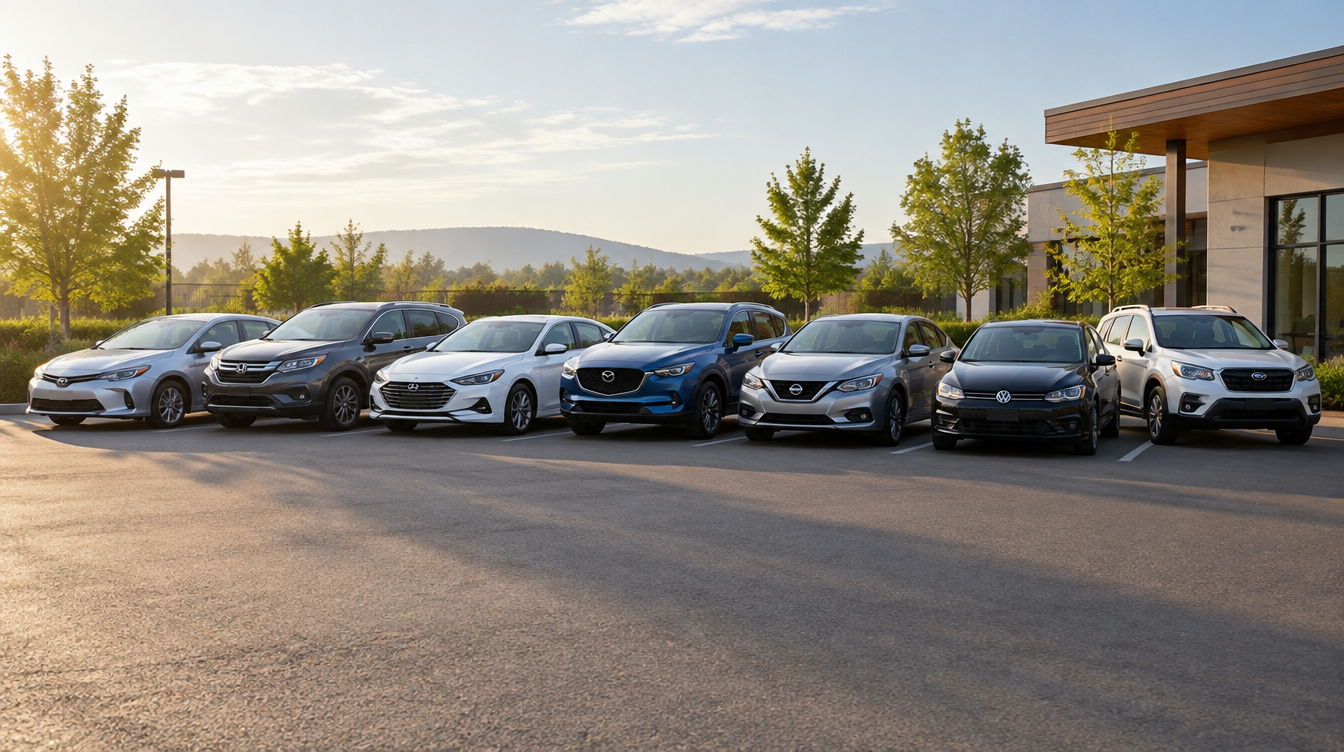
Seven Cars, One Surprise Winner: What Fleet Data Teaches You About Buying Your Next Car
A small fleet owner with seven vehicles decided to actually rank them by real profitability instead of relying on which one "felt" most successful. The result surprised even them: the top earner wasn't the newest car, the flashiest one, or the one with the highest daily rate. It was an unassuming, older, inexpensive vehicle nobody would have picked as the winner in advance.
Why gut instinct gets this wrong
The car that generates the most excited guest messages or the highest headline rate isn't automatically the one generating the most actual profit once you subtract maintenance, depreciation, and downtime. Attention and profitability are correlated, but only loosely.
What made the winner actually win
Low acquisition cost, cheap and available parts, broad guest appeal, and — critically — very little unplanned downtime. None of that shows up in a listing photo, but all of it shows up in a real profit-per-vehicle calculation.
The exercise worth copying
Rank your own fleet the same way: real profit per vehicle over the last several months, not revenue, not gut feeling. It takes an afternoon, and it often reveals at least one surprise — either an underperformer you assumed was fine, or a quiet winner you never gave much credit.
What it means for your next purchase
Let your own data, not your instincts about which car "should" perform well, guide the next acquisition. The surprise winner in your own fleet is a better guide to your next purchase than any general advice about which vehicle category is supposedly best.